Understanding the ASTM D5035 Tensile Tester
The ASTM D5035 tensile tester is a critical tool for evaluating the tensile properties of various materials, particularly fabrics. This equipment is essential for manufacturers and laboratories aiming to ensure product quality and compliance with international standards. Its ability to test materials under controlled conditions allows for comprehensive evaluations of strength, durability, and flexibility. When exploring options, the ASTM D5035 tensile tester provides comprehensive insights into material performance and reliability, making it a key asset in quality control processes.
What is the ASTM D5035 Tensile Tester?
Designed specifically to assess the tensile strength of fabrics, the ASTM D5035 tensile tester operates based on established testing standards set forth by ASTM (American Society for Testing and Materials). This tester measures how much force a fabric can withstand before breaking, as well as its ability to stretch without permanent deformation. This data helps manufacturers understand how their textiles will perform under real-world conditions, providing critical insights for product development and improvement.
Key Features and Benefits of the Tester
- High Accuracy: The ASTM D5035 tensile tester is designed to minimize measurement errors, achieving accuracy rates within 1%. This precision is crucial for reliable testing results.
- Smart Software: Modern tensile testers come equipped with advanced software that offers detailed data reading, including stress, strain, and displacement metrics, making analysis straightforward.
- Versatile Application: This tester complies with several international standards, allowing testing of various materials beyond textiles, including leather and synthetic blends.
- User-Friendly Design: Simplified operation makes it accessible for users, along with safety mechanisms that ensure protection during testing procedures.
Applications Across Various Industries
The versatility of the ASTM D5035 tensile tester makes it applicable across multiple sectors. Industries such as textiles, apparel, footwear, automotive, and construction utilize this testing machine to ensure their materials meet stringent industry standards. For instance, in the textile industry, manufacturers rely on the tester to determine fabric durability, aiding in the selection process for specific applications like outdoor or high-performance clothing. Similarly, automotive manufacturers use it to evaluate the resilience of materials used in upholstery and safety equipment.
How Does the ASTM D5035 Tensile Tester Work?
Principles of Operation
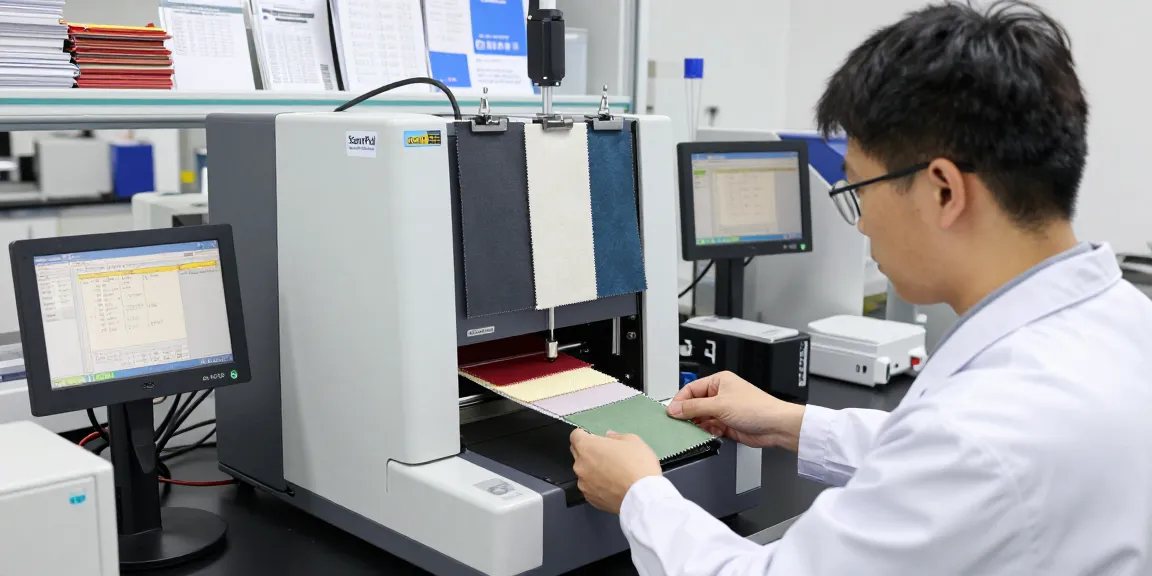
The operational principle of the ASTM D5035 tensile tester revolves around applying a controlled tensile force to a fabric sample until it breaks. The sample is securely clamped at either end, and the tester gradually increases the tension. During this process, the machine records the force exerted and the elongation of the fabric, which allows for the calculation of critical metrics such as tensile strength and elongation at break.
Calibration Procedures for Accuracy
Calibration is a vital step in using the ASTM D5035 tensile tester to ensure accuracy and repeatability of results. Regular calibration procedures include:
- Force Calibration: Verifying the force measurement accuracy by applying known weights and adjusting as needed.
- Displacement Calibration: Ensuring that the elongation measurements are accurate by testing reference materials and making necessary adjustments.
These calibration practices safeguard the reliability of results, which is crucial for quality control in materials testing.
Essential Components Explained
The ASTM D5035 tensile tester comprises several key components that enable its functionality:
- Load Cells: These are critical for measuring the tension applied to the fabric and converting mechanical force into an electrical signal for precise readings.
- Displacement Transducers: Used to measure how much the fabric stretches during testing, offering insights into its flexibility and durability.
- Control System: An AC servo motor and ball screws work together to provide steady and precise control over the pulling force applied to the test sample.
Industry Standards and Compliance
Overview of Relevant Standards: ASTM and ISO
Compliance with international standards is paramount for any testing machine, including the ASTM D5035 tensile tester. This tester is built to meet the demands of various ASTM and ISO standards, ensuring that materials are tested uniformly and accurately across different laboratories and manufacturers. Standards like ASTM D5034, ISO 13934-1, and others outline the requirements for conducting tensile tests, providing guidelines for sample preparation, testing conditions, and reporting results.
Importance of Compliance in Testing
Adhering to established testing standards is essential for various reasons:
- Quality Assurance: Compliance ensures that products meet quality benchmarks, reducing the risk of material failure in end-use applications.
- Market Access: Many markets require compliance with specific standards, and non-compliance can lead to product rejection.
- Consumer Safety: Testing materials for their properties ensures that consumers receive safe and reliable products.
How the Tester Meets International Requirements
The ASTM D5035 tensile tester is designed to accommodate numerous international testing standards, making it a robust choice for companies aiming for global reach. By integrating components that enable accurate measurement and reporting, the tester assures compliance with international requirements.
Best Practices for Using the ASTM D5035 Tensile Tester
Preparing Samples for Accurate Testing
Proper sample preparation is critical for ensuring accurate test results. Here are several best practices:
- Ensure that samples are cut to the correct dimensions specified by the testing standard.
- Avoid any pre-stretching or handling that could alter the material properties before testing.
- Label samples accurately to prevent confusion during testing.
Interpreting Test Results Effectively
Understanding the output data from the ASTM D5035 tensile tester is essential for making informed decisions regarding material choices. Key metrics to focus on include:
- Tensile Strength: The maximum stress that the material can withstand while being stretched.
- Elongation at Break: The percentage increase in length before rupture occurs, indicating the material's flexibility.
Common Mistakes to Avoid During Testing
Avoiding common pitfalls in testing can prevent inaccurate results:
- Do not skip calibration steps; always ensure the machine is correctly calibrated.
- Ensure environmental conditions are controlled, as temperature and humidity can affect results.
- Follow proper test speed settings to avoid impact-induced errors.
Future Trends in Fabric Testing Technology
Emerging Technologies Enhancing Precision
As materials science evolves, so does the technology in tensile testing. Innovations such as automated data collection and real-time monitoring of test environments are becoming increasingly common. These enhancements not only improve the reliability of testing but also reduce human error and speed up the testing process.
The Role of AI in Textile Testing
AI technologies are predicted to play a significant role in future textile testing. By integrating machine learning algorithms, testers can analyze vast datasets to predict material behavior under various conditions, leading to smarter decision-making in product development.
Predictions for 2026 and Beyond
Looking ahead to 2026, we can expect advancements in precision testing equipment that incorporate IoT (Internet of Things) capabilities, allowing for more integrated and automated testing solutions. These systems may enable remote monitoring and control, further enhancing the efficiency and effectiveness of textile quality assurance processes.
What materials can be tested using the ASTM D5035 tensile tester?
The ASTM D5035 tensile tester is versatile and can test a range of materials including fabrics, elastics, geotextiles, and some composites, making it suitable for many applications across various industries.
How accurate are the results from the ASTM D5035 tensile tester?
With precision engineering and calibration protocols in place, the ASTM D5035 tensile tester can achieve accuracy within a 1% margin of error, ensuring reliable measurements for critical quality assurance needs.
What are the maintenance requirements for the ASTM D5035 tensile tester?
Regular maintenance includes calibration checks, software updates, and cleaning of mechanical components to prevent dust and debris accumulation, ensuring longevity and performance consistency.
Can the ASTM D5035 tensile tester be integrated with other testing systems?
Yes, the ASTM D5035 tensile tester can be integrated with various laboratory management systems, data analysis software, and other testing apparatus, allowing for streamlined operations and enhanced data analysis.
What is the cost range for purchasing the ASTM D5035 tensile tester?
The price of the ASTM D5035 tensile tester can vary significantly based on features, capacity, and the manufacturer's specifications. Typically, prices range from $3,000 to over $30,000, depending on the configuration and capabilities of the machine.