Understanding the Role of GRP Manufacturers
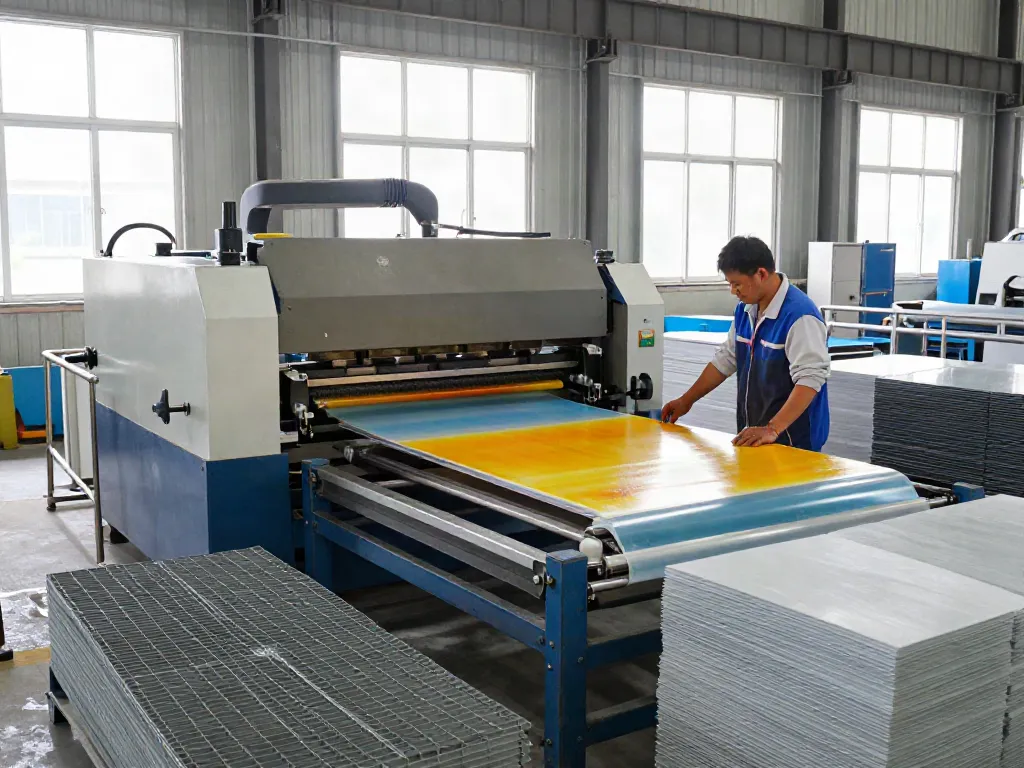
Glass Reinforced Plastic (GRP) has carved a significant niche in various industries due to its unique properties and adaptability. As a versatile composite material, GRP is utilized in applications ranging from construction and marine to automotive and telecommunications. With Engineered Composites being a leading GRP Manufacturer in the UK, the company demonstrates how strategic manufacturing and quality assurance can meet the diverse needs of its clientele.
What is GRP and its Applications?
GRP, commonly known as fiberglass, consists of a polymer matrix reinforced with glass fibers. This combination yields a material that is lightweight yet strong, making it ideal for various applications including:
- Construction: GRP is used in roofing, cladding, and structural components.
- Marine: Its resistance to corrosion makes it suitable for boat hulls and decking.
- Automotive: Components made from GRP help reduce vehicle weight, improving fuel efficiency.
- Telecommunications: GRP housing protects sensitive electronic equipment from the elements.
Key Industries Utilizing GRP Products
The use of GRP spans multiple sectors, each benefiting from its durability and lightweight nature. Some key industries include:
- Rail: GRP components are used for platforms, walkways, and safety barriers.
- Utilities: Water and electrical utilities employ GRP for its non-conductive properties.
- Marine: Shipbuilding relies on GRP for creating strong yet lightweight structures.
- Construction: The construction sector utilizes GRP for various structures, from bridges to fencing.
The Importance of Quality in GRP Manufacturing
Quality assurance is paramount in GRP manufacturing. It ensures that products not only meet customer expectations but also comply with safety regulations. Companies like Engineered Composites adhere to strict quality management systems, ensuring every batch meets industry standards.
Main Advantages of Using GRP Products
Choosing GRP products offers several compelling advantages that make them superior to traditional materials.
Comparative Benefits of GRP Over Steel and Aluminium
When contrasting GRP with steel and aluminium, several benefits emerge:
- Weight: GRP is significantly lighter, often up to 70% less than steel, which reduces transportation costs and ease of handling.
- Corrosion Resistance: Unlike metals, GRP does not corrode, ensuring longevity even in harsh environments.
- Non-Conductive: This property makes GRP suitable for electrical applications where grounding is essential.
Durability and Lifespan of GRP Products
GRP products are known for their longevity, often lasting over 50 years with minimal maintenance. Their resistance to environmental factors means they maintain structural integrity much longer than alternatives.
Cost Efficiency and Maintenance Practices
While the initial investment in GRP products may be higher, the long-term cost savings are substantial. GRP does not require regular paint or galvanizing treatments, resulting in reduced lifecycle costs. Maintenance practices typically involve simple cleaning with mild detergents, making it a hassle-free choice for many businesses.
Quality Assurance in GRP Manufacturing
Quality assurance processes are essential in GRP manufacturing, as they directly influence the product's performance and reliability.
ISO Certifications and Compliance Standards
Engineered Composites operates under ISO 9001-certified quality management systems. This certification guarantees adherence to international quality standards, ensuring products are consistently manufactured to the required specifications.
How Quality Control Impacts GRP Performance
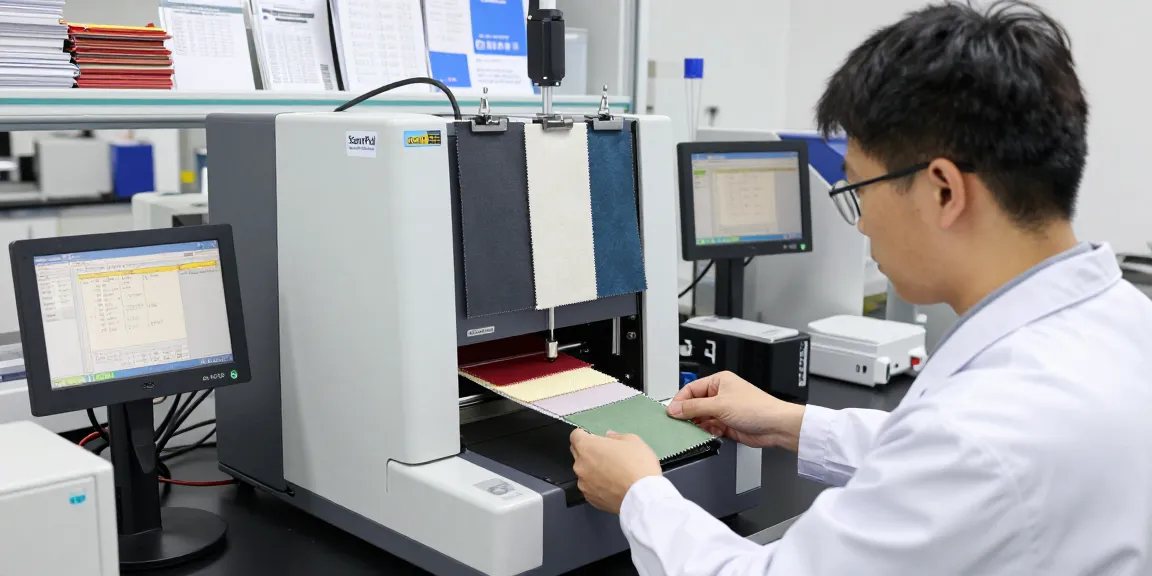
Quality control in GRP manufacturing involves rigorous testing at various stages of production. This ensures that each product meets the required strength and safety standards, leading to enhanced performance in its intended application.
Testing Procedures in GRP Production
Manufacturers conduct several tests, including fire resistance, tensile strength, and dimensional accuracy assessments. Such tests validate that GRP products are safe and reliable for end-users.
GRP Supply Chain and Service Practices
Effective supply chain management is vital in supporting the timely delivery of GRP products to clients across various industries.
Understanding GRP Supply-Only Partnerships
Engineered Composites operates as a supply-only partner, focusing on manufacturing high-quality GRP products while collaborating with approved installers for implementation. This strategy allows them to maintain high standards in production while leveraging external expertise for installation.
Fast Quotation and Delivery Expectations
Engineered Composites prides itself on offering quick turnaround times. Clients can expect quotations within an hour and a lead time of 1-2 working days on most orders, ensuring that timelines are respected and projects proceed without delay.
Working with Approved Installers
Engineered Composites collaborates with a network of approved installers who understand the unique requirements of GRP products. This ensures that installations meet high safety and performance standards, providing peace of mind to clients.
The Future of GRP Manufacturing
As industries evolve, so too does the technology and methods used in GRP manufacturing.
Innovative Trends in GRP Production
Continuous advancements in materials science are leading to the development of even more efficient manufacturing processes. Companies are exploring the use of recycled materials in GRP production, which not only reduces waste but also appeals to environmentally conscious consumers.
Environmental Considerations and Sustainability
With increasing focus on sustainability, GRP is becoming the material of choice in many green building projects. Its lightweight nature and low energy consumption during manufacturing align with modern sustainability standards.
Preparing for Industry Regulations in 2026 and Beyond
Businesses must stay ahead of regulatory changes that may affect the use of GRP in construction and other industries. This includes understanding new fire safety regulations and building standards that may come into effect by 2026.
What are the main advantages of GRP over steel?
GRP provides numerous advantages over steel, including weight reduction, corrosion resistance, and lower maintenance costs. These factors make GRP increasingly popular in various industrial applications.
Can GRP be cut or drilled on site?
Yes, GRP can be cut or drilled on site using standard diamond-tipped tools. This allows contractors to make necessary adjustments during installation, reducing waste and improving efficiency.