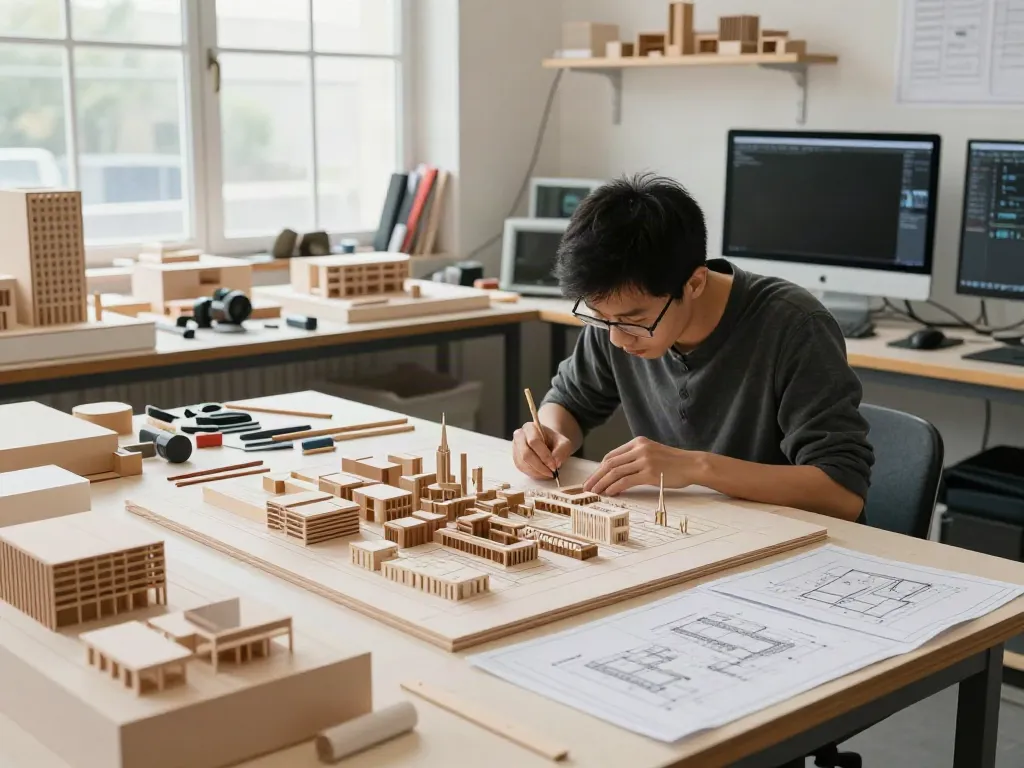
The Importance of Architectural Model Making in France
Architectural model making holds a pivotal role in the planning and execution of construction projects in France, a country renowned for its rich architectural heritage and innovative building practices. Models not only serve as visual aids but also play a crucial part in the communication between architects, urban planners, and stakeholders. They enable the exploration of design concepts, identification of potential issues, and effective presentation of ideas. In this context, engaging with a reliable Architectural model maker France can enhance project outcomes and ensure clarity for all parties involved.
Why Models Matter for Architects and Developers?
Architectural models act as a tangible expression of a project’s vision, allowing architects and developers to visualize their concepts before construction begins. They help in illustrating scale, form, and function in a way that digital plans may not adequately convey. Models provide an interactive experience, enabling stakeholders to engage with the design, assess spatial relationships, and make informed decisions early in the process.
Historical Significance of Model Making in French Architecture
France has a long tradition of architectural model making, dating back centuries. Notable historical examples include the intricate scale models created during the Renaissance and Enlightenment periods, which served both educational and promotional purposes. These models helped in securing funding and public approval for monumental projects, showcasing the importance of model making in the evolution of French architecture.
Benefits of Using Models in Project Visualization
Utilizing architectural models offers numerous advantages:
- Enhanced Communication: Models facilitate discussions among architects, clients, and contractors.
- Risk Mitigation: Early identification of design flaws can prevent costly modifications during construction.
- Marketing Tool: High-quality models can enhance presentations to potential investors and buyers.
- Timely Feedback: Models allow for quick adjustments based on feedback from stakeholders.
Variety of Architectural Models Used in France
In France, a diverse array of architectural models is employed across various projects, catering to different needs and industries. Each model type serves unique purposes and demands specific features, making it essential for architects to choose wisely based on their project's requirements.
Types of Models: From Industrial to Competition
Architectural models can be classified into several categories, including:
- Industrial Models: These represent factories, power plants, and other industrial complexes, aiding in workflow optimization and process illustration.
- City Planning Models: Large-scale representations of urban areas are crucial for urban development analysis, helping visualize how new projects integrate into existing environments.
- Competition Models: Fine-tuned models created for architectural contests, emphasizing precision and detail to impress jurors.
Custom Models for Real Estate and City Planning
Real estate developers often require bespoke models to showcase properties to potential clients. These models highlight both interior and exterior aspects of buildings, enhancing the marketing strategy by providing a physical representation of the living experience.
Environmental Models and Their Impact on Design
Environmental models are vital for assessing how new constructions affect the local ecosystem. They incorporate surrounding landscapes, existing structures, and infrastructure to ensure projects honor both aesthetics and ecological considerations.
Manufacturing Architectural Models: Techniques and Materials
High-quality architectural models are produced through a combination of advanced techniques and material selection, each crucial for achieving the desired outcome. Understanding these elements can lead to better project execution.
Common Materials: Wood, Plastics, and Eco-Friendly Options
Architectural models can be constructed from a variety of materials, including:
- Wood: Traditional and versatile, providing a natural aesthetic.
- Plastics: Allowing for precise cuts and various colors, often used for modern designs.
- Eco-Friendly Materials: Increasingly popular, these options align with sustainability goals in modern architecture.
Advanced Techniques: 3D Printing and CNC Milling
Modern techniques like 3D printing and CNC milling have transformed the architectural model-making landscape. They allow for high precision and rapid prototyping, accommodating complex designs and minimizing production times. These innovations enable model makers to produce intricate details that were previously unattainable.
Consultation and Tailored Solutions for Clients
Providing comprehensive consultation is essential in the model-making process. Experienced model makers work closely with clients to determine their needs, suggest suitable materials, and offer tailored solutions that align with project goals.
Challenges in Architectural Model Making
Despite the benefits, architectural model making comes with its own set of challenges that professionals must navigate to achieve successful outcomes.
Dealing with Complex Designs and Client Expectations
Architectural designs can often be intricate and multifaceted, presenting significant challenges in model creation. Clear communication with clients regarding their expectations and potential limitations is key to mitigating misunderstandings and ensuring satisfaction with the final product.
Managing Time Pressure in Model Production
Time constraints are a common stressor in model making, particularly when projects are on tight schedules. Efficient management of resources and processes is essential to deliver models on time without compromising quality.
Material Selection Challenges and Solutions
Choosing the right materials can be daunting due to the myriad options available. Each project has unique demands, and successful model making hinges on selecting materials that meet the aesthetic, functional, and budgetary needs of the client.
The Future of Architectural Model Making in France
The architectural model-making sector in France is poised for exciting developments, as innovations in technology and a focus on sustainability shape its future.
Integrating Virtual and Augmented Reality in Models
Virtual Reality (VR) and Augmented Reality (AR) are set to revolutionize how architectural models are experienced. These technologies offer immersive environments for clients to explore designs interactively, enhancing understanding and engagement with projects.
Sustainability Trends in Model Making
As environmental concerns rise, the demand for sustainable practices within architecture is echoed in model making. Companies are increasingly using eco-friendly materials and production methods to reduce their environmental impact, aligning with contemporary values in architecture.
Custom Solutions and Client Collaboration Trends
Customization is becoming more prevalent as clients seek unique models tailored to their specific needs. Ongoing collaboration between model makers and clients fosters a symbiotic relationship that results in models that truly reflect the client's vision.